Gadgets & Devices
Sleep Trackers Measure Movement and Infer the Rest
The device reports deep sleep in minutes with an air of certainty. It is estimating from motion and pulse, and the estimate is better at some things than others.
The theory of what consumer sleep trackers can measure is well covered elsewhere. This is about the version you meet in practice.
What holds up in practice
- Sleep stages are defined by brain activity, which wearables do not measure.
- Total sleep time is estimated more reliably than stage breakdown.
- Anxiety about sleep scores can itself worsen sleep.
What the sensors actually detect
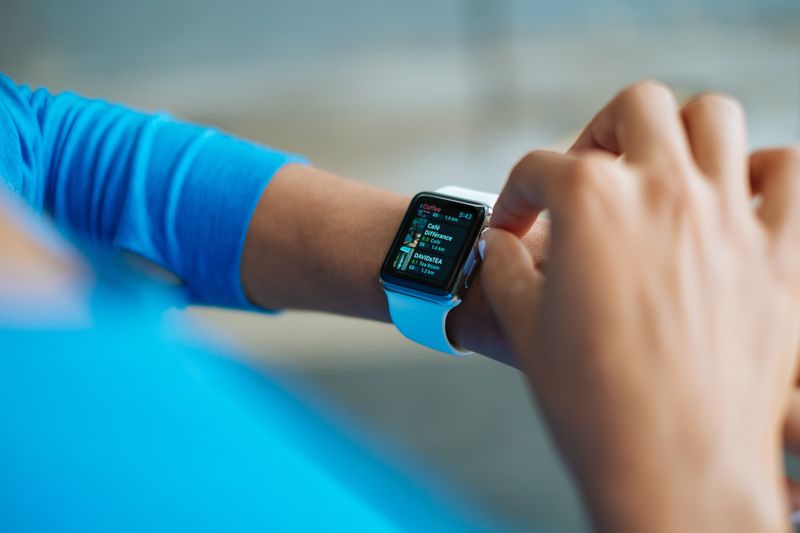
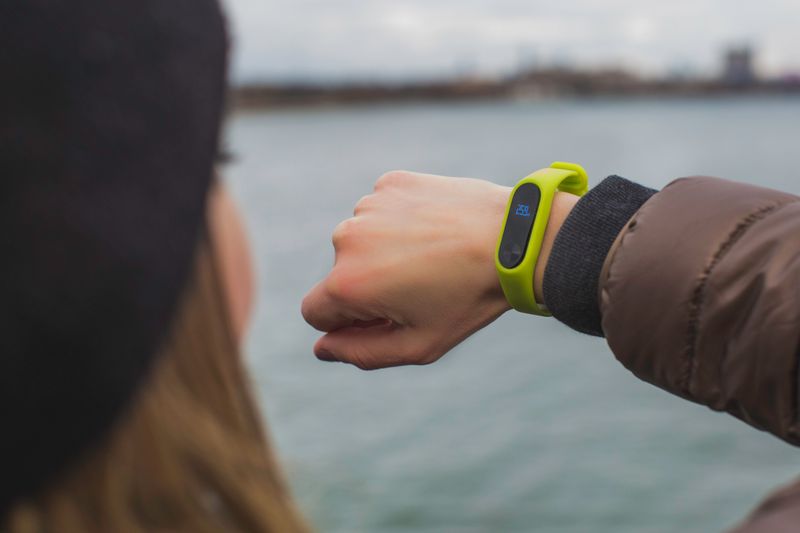
The core sensor in most wearables is an accelerometer, which detects movement rather than anything about consciousness. Many add an optical sensor that shines light into the skin and measures pulse, from which heart rate variation is derived. Some include skin temperature, and a few use breathing estimates derived from the same movement or pulse signals.
None of them measure brain electrical activity, which is what actually defines sleep stages in sleep medicine. Everything reported as light, deep or dream sleep is therefore an inference from indirect signals.
How the inference is made
Manufacturers train algorithms by comparing their sensor data against reference recordings made in sleep laboratories. The reference method records brain waves, eye movement and muscle tone simultaneously, and scoring is done to established criteria.
Against the trial data, the resulting algorithms are proprietary, so users cannot see how a given night was classified or how confident the classification was. Algorithms are also updated over time, which is why a stretch of nights can look different after a software update. A number without a stated uncertainty invites more confidence than the underlying method can support.
What they do reasonably well
Detecting whether someone is asleep or awake is the easiest task, and modern devices generally do it acceptably. Total sleep duration and bedtime consistency are tracked well enough to be genuinely useful for changing habits. Trends across weeks carry more information than any individual night, and trends are what these devices are actually good for.
Where the claim is carefully worded, resting heart rate over time is a reasonably reliable measurement and can reflect illness, alcohol or training load. Used as a habit tracker rather than a diagnostic instrument, a wearable earns its place quite easily.
Where the estimates weaken
Stage classification is the weakest part, and agreement with laboratory scoring is considerably lower for stages than for sleep and wake. Lying still while awake is frequently classified as sleep, which inflates reported totals for people with insomnia.
Once you look at who funded it, conditions that fragment sleep are exactly the situations in which movement-based estimates struggle most. Two different brands worn on the same night will often disagree, which is the simplest demonstration of the uncertainty involved.
A precise-looking figure for deep sleep in minutes is the least trustworthy number on the screen.
When the tracker becomes the problem
Sleep clinicians have described a pattern in which anxiety about optimising tracked sleep scores makes sleep worse. Checking a score on waking sets the interpretation of the day before the day has provided any evidence. People also start going to bed earlier to improve a number, which increases time awake in bed and reinforces insomnia.
The established behavioural treatment for insomnia works partly by reducing time in bed, which runs against what the score encourages. If the device is causing worry about sleep, taking it off for a fortnight is a reasonable experiment.
Supplements interact with prescribed medicines, so tell whoever prescribes for you what else you are taking.
What deserves a doctor rather than a device
Loud snoring with pauses in breathing, gasping, or heavy daytime sleepiness are reasons to be assessed for sleep apnoea. That condition is diagnosed with proper sleep studies and is treatable, and it carries real cardiovascular consequences untreated. Persistent insomnia has an effective evidence-based behavioural treatment that is offered through many health systems.
Follow the mechanism and a tracker flagging a possible issue is a reason to seek assessment rather than a diagnosis in itself. Waking unrefreshed despite adequate hours is a clinical question, and no consumer device is licensed to answer it.
The takeaway
Use it for consistency and trends, not for stage percentages. Snoring with breathing pauses is a reason to see a doctor regardless of the score.
The body already has organs for this, and none of them are sold in a box.
Questions readers ask
Why do two trackers disagree about the same night?
They use different sensors and different proprietary algorithms trained on different data. The disagreement is a direct illustration of how much estimation is involved.
Is deep sleep percentage worth optimising?
It is the least reliable figure a wearable produces, so optimising it means chasing an estimate. Consistent timing and adequate total duration are the things the device measures well enough to act on.