Diets & Eating
Inflammation Is Not One Thing You Can Eat Away
The word covers a swollen ankle, a marker in a blood test and a vague sense of being unwell, and these are not the same phenomenon. Anti-inflammatory diets are sold on the ambiguity.

This looks at dietary claims about inflammation from the practical end — what holds up once conditions stop being ideal.
What holds up in practice
- Acute inflammation is a necessary response, not a malfunction to be suppressed.
- Blood markers of inflammation are surrogates rather than symptoms.
- The dietary pattern with support is unremarkable and unbranded.
Three different things sharing a word
Acute inflammation is the response to injury or infection, producing heat, redness, swelling and pain while repair takes place. It is essential, and suppressing it indiscriminately would leave wounds uncleaned and infections uncontrolled. Chronic inflammation describes a persistent low-level activation of the same system, measurable in blood but usually invisible to the person.
The third usage is the wellness one, meaning tiredness, puffiness, aching or a general sense of being off. Only the first two have definitions, and only the second is what nutrition research is usually measuring.
What the blood markers do and do not tell you
Several proteins in blood rise during inflammation and can be measured, and one of them is used clinically to track infections and some diseases. These markers respond to a great many things, including recent illness, injury, smoking, poor sleep, body fat and intense exercise. A dietary change that lowers a marker slightly has moved a number without necessarily changing anyone symptoms or future health.
Against the trial data, that is the definition of a surrogate endpoint, and this field is unusually full of them because the markers are cheap to measure. A trial reporting only marker changes has not demonstrated that anyone got or stayed better.
Where the diet evidence actually points
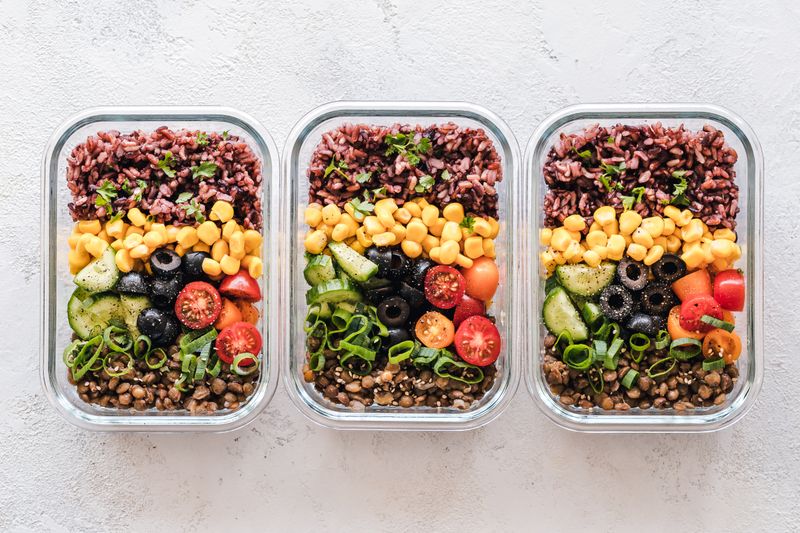
Dietary patterns high in vegetables, fruit, legumes, wholegrains, nuts and fish are associated with lower measured inflammation. The same patterns are associated with better outcomes across a range of conditions, though disentangling which component matters is very difficult. Almost all of this work is observational, and people who eat that way differ in many other ways that also affect health.
The pattern is worth following on the general weight of evidence, and that is a weaker and more honest claim than causation. It is also unbrandable, which is why it is rarely what an anti-inflammatory programme is selling.
Single foods and the dose problem
Individual compounds from turmeric, ginger, green tea and various berries do show anti-inflammatory activity in laboratory systems. Concentrations used in those experiments are frequently far above anything achievable by eating the food. Several of these compounds are also poorly absorbed and rapidly cleared, which is why absorption enhancers appear in supplement formulations.
A compound active in a dish, absent from the bloodstream in useful amounts, has not shown it can do anything in a person.
Enjoying these foods is entirely reasonable and does not require the mechanism claim attached to them.
What the elimination lists are doing
Anti-inflammatory protocols typically remove gluten, dairy, nightshades, sugar, alcohol and processed food simultaneously. People often feel better, and the plausible causes include less alcohol, more cooking, more vegetables and fewer very late meals. Attributing the improvement to whichever food the programme demonised is a choice rather than a finding.
Removing multiple food groups long term has costs in nutrition, cost, social life and the development of anxiety about eating. A structured reintroduction is what would identify a genuine trigger, and most protocols never get to that stage.
When inflammation needs a doctor
Persistent joint swelling, morning stiffness lasting well over an hour, unexplained fevers or weight loss point to inflammatory disease. Those conditions have specific diagnoses and specific treatments that alter their long-term course, and delay causes irreversible damage. Dietary changes may support treatment and have not been shown to replace it in any inflammatory arthritis.
Never stop a prescribed anti-inflammatory or immune treatment on the strength of a dietary programme. Sleep, physical activity and not smoking all affect measured inflammation and none of them is sold in a box.
The takeaway
Ask which inflammation is meant, and whether anything was measured besides a marker. The diet that has support is the boring one nobody trademarked.
When the marketing is more precise than the study, believe the study.
Questions readers ask
Should I get my inflammatory markers tested?
Outside a clinical reason, a single reading is difficult to interpret and moves for many reasons. Testing without a question you are trying to answer generally produces anxiety rather than information.
Do turmeric supplements reduce inflammation?
Trials exist, are mostly small and short, and often report marker changes rather than outcomes. Concentrated extracts have also been linked to liver injury in some reports, so this is not a risk-free category.