Detox Claims
Why a Juice Cleanse Makes You Feel Different
Something genuinely happens during a juice-only week, and none of it is detoxification. The effects are well understood and mostly explained by calories, water and caffeine.

There is a short answer about the physical effects of a juice-only diet and a useful one, and they are not the same. What follows is the useful one.
The short version
- A juice-only diet is a large calorie reduction by another name.
- Early weight loss is mostly glycogen and the water stored with it.
- People on glucose-lowering medicines should never start one without medical advice.
The calorie reduction hiding in plain sight
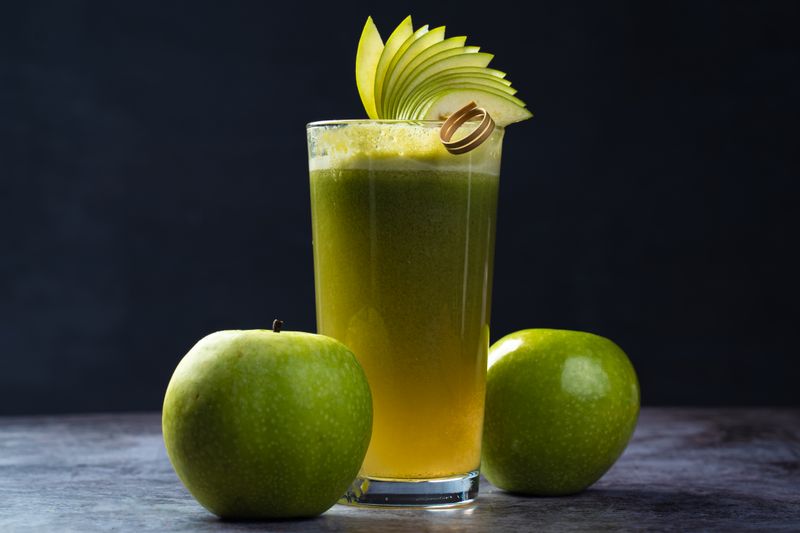
A day of juice usually supplies a fraction of what the same person eats normally, without anyone describing it as a very low calorie diet. That deficit alone produces most of the changes people attribute to cleansing, including lightness, hunger, irritability and a smaller waistband. Sharp restriction reliably causes short-term weight loss in almost anyone, which is why every restrictive regime can produce testimonials.
It says nothing about whether the specific ingredients did anything, because plain water and a few crackers would show a similar curve. The mechanism being sold and the mechanism doing the work are simply different things, and only one of them is on the label.
Glycogen, water and the number on the scale
The body stores carbohydrate as glycogen in muscle and liver, and each unit of glycogen is stored alongside several times its own weight in water. Cutting carbohydrate sharply depletes that store within days, and the associated water leaves with it through ordinary urination.
Once you look at who funded it, the scale therefore drops quickly at the start, which feels like proof that something powerful is happening inside. Refill the glycogen by eating normally again and the water returns just as quickly, which is why the loss reverses within a week. This is not failure or a rebound of toxins, it is simply the same storage system being restocked as designed.
The headache that gets renamed
Many people cut coffee and tea at the same time they start a cleanse, and caffeine withdrawal produces headache, fatigue and low mood. The timing is unmistakable once you look for it, with symptoms starting within a day and easing over the following few days.
Follow the mechanism and detox programmes routinely reframe this as toxins leaving the body, which converts a predictable side effect into apparent evidence of efficacy. That reframing is the most persuasive move in the whole category, because it turns feeling worse into a sign of progress. Any claim built so that both improvement and deterioration confirm the product has stopped being a testable claim at all.
What juicing takes out of the fruit
Juicing discards most of the fibre, which is one of the few components of fruit and vegetables with genuinely strong supporting evidence. Fibre slows the absorption of sugars, feeds gut bacteria and contributes to the feeling of fullness that juice conspicuously lacks.
A glass of juice therefore delivers the sugar of several pieces of fruit with much less of the material that moderates it. That is a reasonable thing to do occasionally and a strange thing to build a health regime around for a week.
Eating the fruit whole is cheaper, better supported and considerably harder to sell as a programme with a name.
Who should not attempt this at all
Anyone taking medicines that lower blood glucose can be pushed into dangerous lows by a sudden large drop in carbohydrate intake. Pregnancy, a history of disordered eating, kidney disease and several chronic conditions each make severe restriction a genuinely bad idea. Grapefruit juice in particular interferes with the enzymes that process a long list of prescribed medicines, which is a documented interaction.
Never alter a prescribed treatment or start a restrictive regime on the strength of an article, including this one. A doctor or pharmacist can tell you in a few minutes whether your specific medicines and conditions make this unwise.
The habits people credit to the cleanse
A cleanse week usually arrives bundled with more sleep, less alcohol, no takeaways, more water and a general resolve to look after yourself. Each of those has real support behind it, and together they easily explain the improvement people describe afterwards. The juice gets the credit because it is the visible, purchased, branded part of the change rather than the effective part.
Keeping the habits and dropping the juice is a straightforward experiment that most people never think to run. If the benefits survive without the product, the product was scenery, and that is worth knowing before the next purchase.
The takeaway
A juice cleanse is a low calorie diet with a story attached. Keep the sleep and the water, and ask a doctor first if you take any regular medicine.
An extraordinary mechanism needs better evidence than testimonials, and usually has less.
Questions readers ask
Is a juice cleanse dangerous?
For a healthy adult over a couple of days it is usually more pointless than dangerous. It becomes genuinely risky for people on glucose-lowering medicines, during pregnancy, with kidney disease or with a history of disordered eating.
Why do I feel great by day three?
Adaptation to a lower intake, the caffeine withdrawal passing, and the psychological effect of following a plan. None of these require a toxin to have been removed.
Also by Aniket Zende
- What Your Liver Is Doing While You Drink the TeaDetox Claims
- The Toxin That Never Gets NamedDetox Claims
- Cleanses That Work by Emptying Your BowelDetox Claims
- Sweat Is Mostly Water, and That Matters for the ClaimDetox Claims