Gadgets & Devices
Home Oxygen Readings and What a Number on Your Finger Misses
A pulse oximeter gives a confident-looking percentage in seconds. Several ordinary things change that number, and the most dangerous outcome is false reassurance.

This is less a set of instructions about consumer pulse oximeters and their limits than an argument, and it is worth saying so at the start.
The argument in brief
- The device infers oxygen saturation from how light passes through tissue.
- Cold hands, movement, nail polish and skin pigmentation all affect accuracy.
- Symptoms matter more than the number, and breathlessness needs assessment.
How the measurement is made
The clip shines light of two wavelengths through the finger and measures how much emerges on the other side. Oxygenated and deoxygenated haemoglobin absorb those wavelengths differently, and the ratio between them yields an estimate of saturation.
The device isolates the pulsating component of the signal, which is the arterial blood, and ignores the steady background. That is a clever piece of engineering and it depends on a clean pulsatile signal reaching the sensor. Anything that weakens or distorts that signal degrades the estimate, often without any warning on the display.
What degrades the reading
Cold fingers and poor circulation reduce the pulsatile signal, which is one of the most common causes of unreliable readings. Movement, shivering and tremor introduce noise that the algorithm can misinterpret. Dark nail polish and artificial nails interfere with light transmission and can shift readings.
Against the trial data, skin pigmentation has been shown to affect accuracy, with regulators in several countries reviewing the issue and issuing guidance. Carbon monoxide poisoning is a specific and dangerous case, because the device can report a normal saturation while oxygen delivery is impaired.
Consumer devices are not medical devices
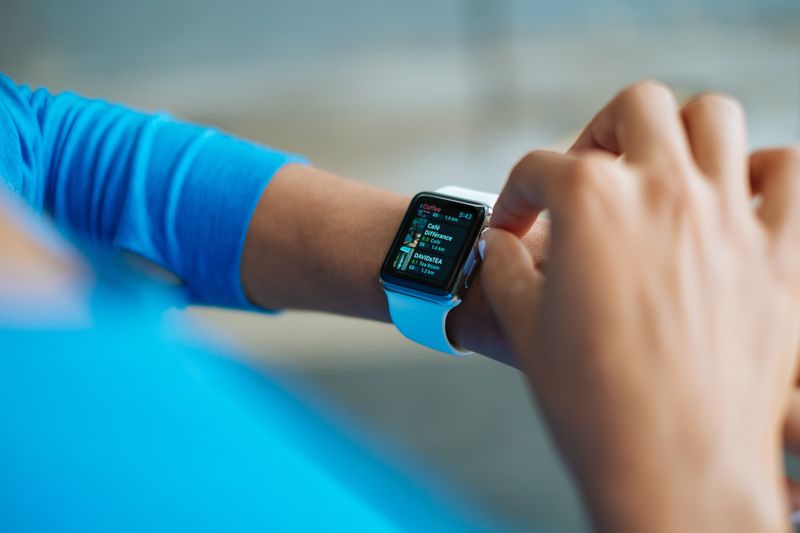
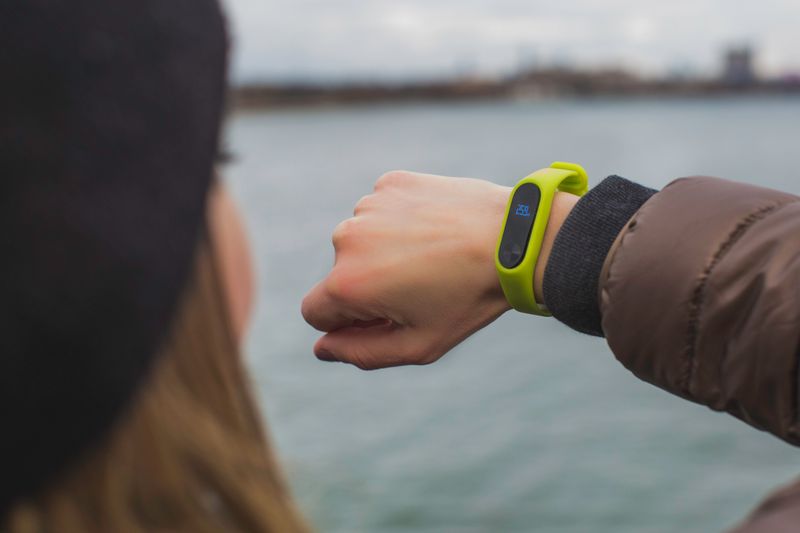
Many fingertip oximeters and smartwatch features are sold as wellness products rather than as regulated medical devices. Wellness products do not have to meet the accuracy requirements applied to equipment used for clinical decisions. Wrist-based optical measurements face additional difficulty compared with a fingertip clip, because the signal is weaker.
The number displayed carries no indication of uncertainty, which encourages more trust than the method supports. Checking whether a device states regulatory clearance in your country is the single most useful thing to do before buying.
Why false reassurance is the harm
Someone breathless with a reading in the normal range may decide not to seek help, which is the dangerous scenario. Saturation can remain within normal limits during illnesses that are nonetheless deteriorating, particularly early on.
Conversely a low reading from a cold finger causes unnecessary alarm and occupies emergency services. A device that produces both false reassurance and false alarm needs interpretation rather than obedience.
Clinicians use these readings alongside breathing rate, appearance, history and examination rather than in isolation.
Where home monitoring genuinely helps
People with certain lung conditions are given oximeters by their clinical team with specific thresholds and instructions. That arrangement works because someone has set the individual baseline and explained what change should prompt contact. Health services have used home monitoring programmes during respiratory illness outbreaks with defined escalation criteria.
The device is useful in exactly those structured contexts and much weaker as a general reassurance tool. If you have a lung or heart condition, ask your own team whether home monitoring is appropriate for you.
Using one sensibly
Warm the hand, rest it still on a surface, remove nail polish and wait for the reading to stabilise before believing it. Look at trends across readings taken the same way rather than reacting to a single figure. Record your usual reading when well, since a personal baseline is more informative than a general threshold.
Against the trial data, treat symptoms as the primary information, since breathlessness, confusion or blue lips need urgent attention whatever the display says. Never use a home reading to decide against seeking help when you feel seriously unwell.
The takeaway
The number is an estimate that cold hands can spoil. Symptoms outrank the display, and breathlessness needs a doctor whatever the reading says.
When the marketing is more precise than the study, believe the study.
Questions readers ask
Are smartwatch oxygen features accurate?
They face a harder measurement problem than a fingertip clip and are usually sold as wellness rather than medical features. They are best used for trends rather than for decisions.
What reading should worry me?
Thresholds depend on your baseline and any existing lung condition, which is why clinical teams set them individually. Feeling breathless is a reason to seek help regardless of what the device shows.
Also by Imtiaz Momin
- Magnetic Bracelets and What Your Blood Is NotGadgets & Devices
- Vibration Plates and the Promise of Passive ExerciseGadgets & Devices
- Wearable Stress Scores and What Heart Rate Variability Can CarryGadgets & Devices
- Regression to the Mean Makes Almost Anything Look Like It WorkedReading the Evidence