Reading the Evidence
Animal Studies, Dose and the Body-Weight Problem
A compound that extended life in mice is a reason to keep researching and not a reason to buy anything. The dose alone usually settles the question.
The options around animal research and how it translates are set out side by side below, with the conditions that genuinely favour one over the other.
The difference in one place
- Doses used in animals are often far beyond what a person could consume.
- Species differ in how they absorb and metabolise the same compound.
- Induced disease models resemble but do not reproduce human illness.
What animal research is genuinely for
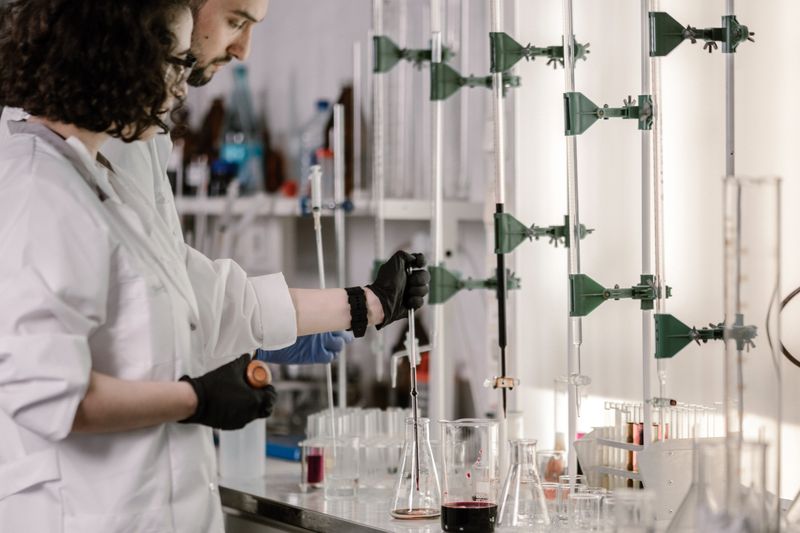
Animal studies let researchers examine whole-body effects, including absorption, distribution and toxicity, before any person is exposed to a compound. They allow controlled genetics, controlled diet and controlled environment in ways that no human study could ever achieve ethically or practically.
They also permit examination of tissue after the experiment, which is how mechanisms get worked out in detail. That makes them an essential and irreplaceable stage of research rather than an inferior substitute for human trials. The failure is not in doing them, it is in reporting their results as though a person had been studied.
The dose that never gets mentioned
Animal doses are expressed per kilogram of body weight, and translating them to a person requires more than simple multiplication. Metabolic rate scales differently from mass, so accepted conversion methods adjust for body surface area rather than weight alone. Even after that adjustment, many compounds are given to animals at levels a person could never reach through diet or supplementation.
A widely repeated claim about a compound in red wine, for example, rested on animal doses corresponding to an impossible daily volume. Asking what the human-equivalent intake would be usually converts an exciting headline into an obviously unachievable one.
Species are not small people
The enzymes that break down foreign compounds differ substantially between species in both quantity and specificity. A substance cleared rapidly in a rodent may persist in a person, or the reverse, changing exposure entirely.
Rodents have short lifespans and rapid metabolisms, which affects every study of ageing, cancer and chronic disease. Diet, gut bacteria and immune systems also differ, and each of those influences how a compound behaves. These differences are why regulators require human trials rather than accepting animal results as sufficient.
The model is not the disease
Animal models of human conditions are usually created by genetic modification, chemical induction or surgical intervention. The resulting condition shares features with the human disease without sharing its causes or its full course.
Treatments that reverse an induced condition frequently fail against the naturally occurring human version. This has been a persistent difficulty in fields including neurodegeneration, sepsis and stroke research over many years.
Understanding that the model is a deliberate simplification explains most of the disappointment that follows promising results.
The translation record
A substantial majority of compounds that succeed in animal studies fail when tested in people, on effectiveness or on safety. That attrition is well recognised within research and is the reason human trials are staged and cautious. It is not a scandal, it is what happens when a simplified system is used to predict a complicated one.
A supplement marketed on rodent data has skipped the stage at which most such candidates are eliminated. The claim is therefore not merely unproven but resting on evidence that usually fails to survive the next step.
Nothing here is a diagnosis or a treatment recommendation; a doctor or pharmacist is the person to ask about your own situation.
Reading an animal-study headline
Check the species first, since the word study conceals the difference between a mouse and a person entirely. Check the dose and ask what a person would have to consume to reach the equivalent internal exposure.
Once you look at who funded it, check the duration relative to the animal lifespan, since weeks in a mouse represent a substantial fraction of its life. Check whether any human trial has followed, and if none has after many years, ask why not. Nothing in this suggests animal work is unimportant, only that it answers a different question from the one being sold.
Side by side
| Consideration | What it means in practice |
|---|---|
| What animal research is genuinely for | Doses used in animals are often far beyond what a person could consume. |
| The dose that never gets mentioned | Species differ in how they absorb and metabolise the same compound. |
| Species are not small people | Induced disease models resemble but do not reproduce human illness. |
The takeaway
Ask the species and the dose. A result that would require an impossible daily intake has answered a question nobody was asking.
When the marketing is more precise than the study, believe the study.
Questions readers ask
Why not just believe the mouse results?
Because most of them do not carry over, and the ones that fail do so at the stage where humans are involved. Animal results tell researchers where to look next rather than what to recommend.
Is there a standard way to convert animal doses?
Regulators use conversion methods based on body surface area rather than body weight, and they are approximations. Even a converted dose is a starting estimate that human studies then have to test.