Wellness Marketing
The Asterisk at the Bottom of the Wellness Page
The small print contradicts the large print, and both are on the same page deliberately. That contradiction is the legal architecture of the whole industry.
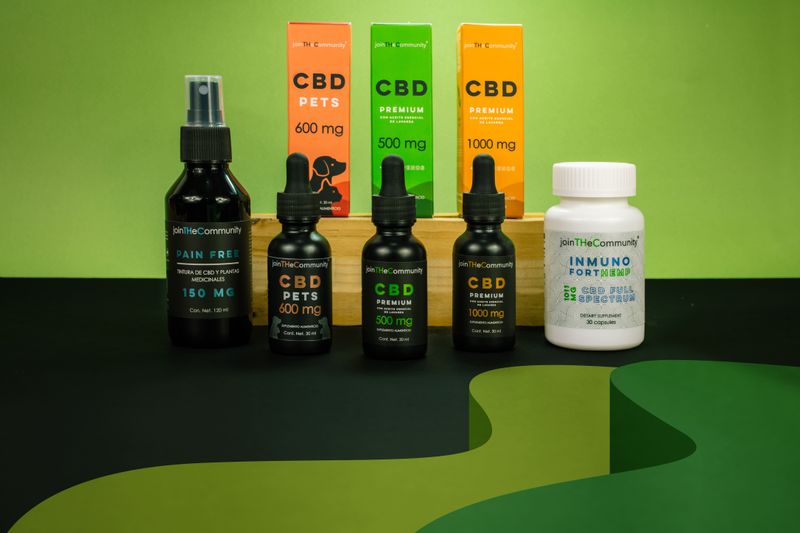
What follows is the working version of disclaimers on supplement marketing: the decisions in the order you actually meet them, with the reasoning attached.
Before you start
- Disclaimers exist to keep a product outside the definition of a medicine.
- The design usually ensures the footnote is technically present and rarely read.
- Reading the footnote first reframes everything above it.
What the footnote usually says
The most familiar version states that the product is not intended to diagnose, treat, cure or prevent any disease. Variants appear in different jurisdictions with different wording, and some markets require no such statement at all.
Others include phrases about individual results varying, or about the product being used alongside diet and exercise. Each of these is a legal instrument rather than an informational one, placed to satisfy a specific requirement. The statement is generally accurate, which is what makes the contrast with the page above it so striking.
Why it exists
Claiming to treat or prevent a disease usually places a product in the regulated category of medicines. That category requires evidence submitted and assessed before sale, which most supplement products have never undergone. The disclaimer marks the boundary and asserts that whatever the page implies, no disease claim is formally being made.
It allows expansive language above and legal protection below, in a single document that reads as one continuous pitch. Understanding this makes the structure of a wellness page legible in a way it otherwise is not.
The contradiction on the page
The body copy may describe fighting inflammation, restoring balance and defending against illness in vivid terms. The footnote then states that the product is not intended to prevent any disease whatsoever. Both statements sit on the same page because they operate in different registers, one persuasive and one legal.
Readers process the persuasive one and skip the legal one, which is the outcome the layout is designed to produce. Nobody involved is lying in the narrow sense, and the overall impression is nonetheless thoroughly misleading.
Design choices that matter
Footnotes appear in smaller type, in lighter colour, below the purchase button and often below the page fold. On packaging the statement is frequently on a side panel or under a fold rather than beside the main claim. Some regulators assess overall impression rather than individual statements, which changes what a disclaimer can rescue.
Enforcement varies widely, and a page legal in one country may breach advertising rules in another.
Where you shop determines which protections apply, and cross-border online purchases often fall between systems.
The other asterisks worth noticing
Results not typical accompanies transformation photographs and quietly concedes the images were selected. When used as part of a calorie-controlled diet and exercise programme attributes any result to the diet and exercise. Based on laboratory testing indicates the finding involved cells rather than people.
May help and can support carry no commitment to any outcome and cannot be shown to have failed. Each of these is a small honest admission placed where honesty is least likely to be read.
Nothing here is a diagnosis or a treatment recommendation; a doctor or pharmacist is the person to ask about your own situation.
Reading a page in the useful order
Start with the footnotes, then the ingredients panel, then the claims, which is the reverse of the intended sequence. Ask what the footnote is conceding and whether the main copy would survive if the concession were printed alongside it. Check whether any specific condition is named anywhere, since naming one usually triggers stricter rules.
Where the claim is carefully worded, treat the gap between the claim and the disclaimer as a measure of how far the marketing has stretched. The largest gaps are consistently found in the products promising the most dramatic effects.
The takeaway
Read the footnote before the headline. The distance between them tells you how much the page has stretched.
An extraordinary mechanism needs better evidence than testimonials, and usually has less.
Questions readers ask
Does the disclaimer mean the product does nothing?
It means no disease claim is formally being made, which is a legal position rather than a statement about effectiveness. Some products with such disclaimers have real modest effects and many have none.
Are these disclaimers required everywhere?
No, requirements differ substantially by country and by product category. A product sold internationally online may carry the wording of one jurisdiction while being bought in another.
Also by Aniket Zende
- What Your Liver Is Doing While You Drink the TeaDetox Claims
- The Toxin That Never Gets NamedDetox Claims
- Why a Juice Cleanse Makes You Feel DifferentDetox Claims
- Cleanses That Work by Emptying Your BowelDetox Claims