Supplements
Fish Oil, Oxidation and What Is Actually in the Capsule
The fats these capsules contain are chemically fragile, and the capsule is opaque for a reason. Rancidity is the quality problem this category has never solved and rarely discusses.
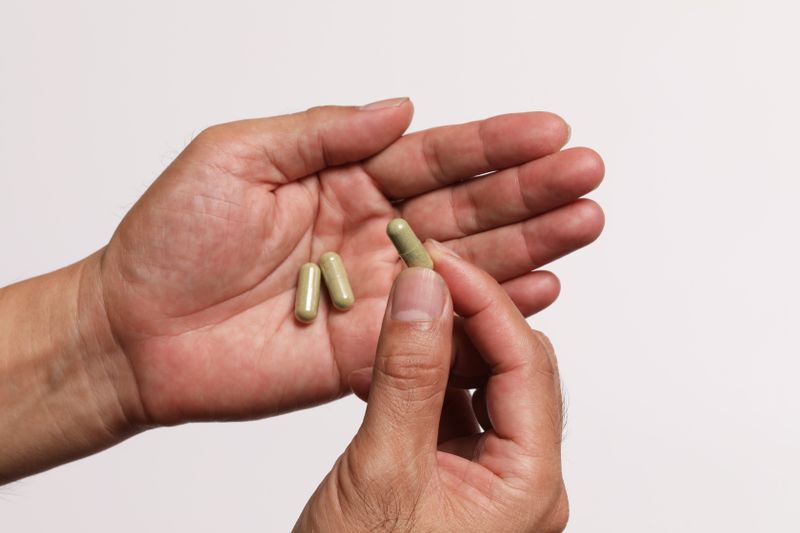
Both approaches to omega-3 capsules, oxidation and quality work. What differs is what they cost you, and the cost is what this sets out.
The difference in one place
- Long-chain omega-3 fats oxidise readily on exposure to heat, light and air.
- Flavouring and capsules can conceal the taste and smell that would otherwise warn you.
- Trial results for heart outcomes have varied with the dose and the population studied.
What makes these fats unstable
Long-chain omega-3 fats contain multiple double bonds, and each double bond is a point where oxygen can attack the molecule. The more double bonds a fat has, the faster it oxidises, which is why these are among the most fragile fats in the diet. Oxidation produces a cascade of breakdown products, some of which are responsible for the smell of rancid fish.
Heat, light, oxygen and time all accelerate the process, and shipping and storage supply all four. This is not a controversial claim about the industry; it is basic lipid chemistry that applies to every product in the category.
Why you cannot taste the problem
A capsule places the oil behind a shell, which removes the most reliable warning signal any consumer has. Flavoured liquid products add lemon or other strong flavours, which can mask the taste of oxidation as it develops. Testing of retail products in several countries has repeatedly found oxidation markers above recommended limits in a substantial share of samples.
Against the trial data, those surveys differ in method and results, so the honest statement is that the problem is well documented and its extent varies. A fishy repeat or a strong odour when a capsule is cut open is a reasonable reason to stop using that bottle.
What oxidation means for the claim
If a meaningful proportion of the active fats have degraded, the product no longer contains what the label describes. That undermines the trials in both directions, because trial products may have been fresher or less fresh than what you bought. It also makes dose comparisons across studies unreliable, since a stated dose of a degraded oil is not the same dose.
Whether the oxidation products themselves cause harm at these levels is not settled, and claims in either direction outrun the evidence. The clearer statement is that you may be paying for a quantity of active compound you are not receiving.
What the outcome trials showed
Early observational work in populations eating a great deal of oily fish generated strong expectations for supplements. Randomised trials of ordinary supplement doses for preventing heart events have largely been disappointing, particularly in people already on modern treatment. Trials using much higher doses of specific purified preparations have reported different results, and those preparations are prescription products rather than supplements.
Once you look at who funded it, the pattern across this literature is that dose, formulation and population all change the answer, which is why summaries conflict.
Very high doses also affect bleeding tendency, which matters for anyone on anticoagulants or facing surgery.
Practical ways to reduce the problem
Buy quantities you will finish rather than the largest bottle, because time in your cupboard is time oxidising. Keep it cool and dark, and refrigerate liquid products once opened unless the manufacturer says otherwise.
At the dose actually studied, look for a manufacture or best-before date rather than only a shelf life, and prefer products that publish oxidation testing. Third-party certification schemes for this category test freshness among other things, which is more informative than a purity claim alone. Cutting a capsule open occasionally to smell the contents is a crude but genuinely useful check.
Never stop or alter a treatment a clinician has prescribed on the strength of something you have read.
Where fish itself sits
Eating oily fish is well supported as part of an overall dietary pattern, and most national guidance recommends it. Whole fish delivers the fats inside an intact food matrix along with protein, iodine, selenium and vitamin D. It has not gone through extraction, concentration, encapsulation and months of distribution before reaching you.
For people who do not eat fish, algal oil provides the same long-chain fats and is subject to the same oxidation chemistry. Recommending food over a capsule here is not a general prejudice against supplements but a consequence of how fragile these particular molecules are.
Side by side
| Consideration | What it means in practice |
|---|---|
| What makes these fats unstable | Long-chain omega-3 fats oxidise readily on exposure to heat, light and air. |
| Why you cannot taste the problem | Flavouring and capsules can conceal the taste and smell that would otherwise warn you. |
| What oxidation means for the claim | Trial results for heart outcomes have varied with the dose and the population studied. |
The takeaway
These are the most fragile fats in your diet, sold inside an opaque shell. Buy small, store cold, and smell what you are taking.
The body already has organs for this, and none of them are sold in a box.
Questions readers ask
Does the fishy aftertaste mean it has gone off?
Not necessarily, since it can also be the oil itself repeating. A strong rancid smell from a cut capsule is a better indicator, and a bottle that smells wrong should not be used.
Is cod liver oil the same thing?
It contains the same fats plus substantial vitamin A and vitamin D, both fat-soluble and both able to accumulate. That makes dose a more important question than it is with plain fish oil.