Supplements
Third-Party Testing Tells You Identity, Not Effect
An independent testing seal answers a genuine and useful question. It is not the question most buyers think it is answering.
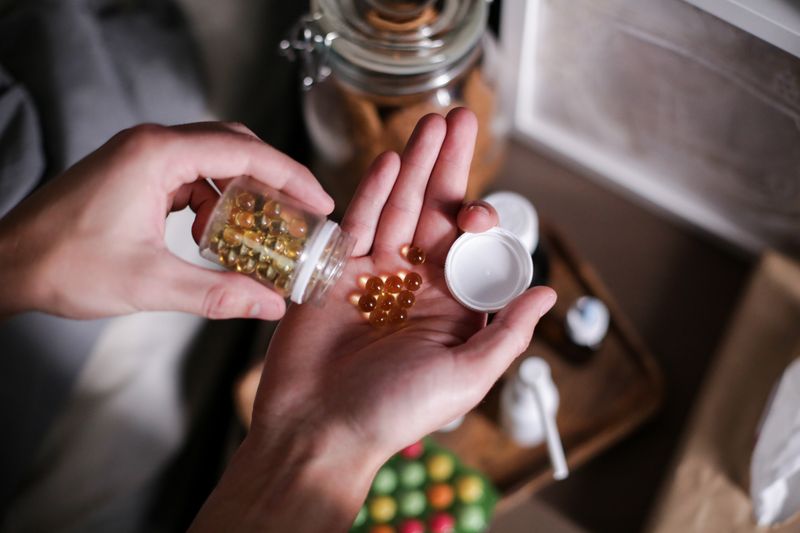
There is a short answer about what independent supplement testing verifies and a useful one, and they are not the same. What follows is the useful one.
The short version
- Testing confirms contents, purity and label accuracy.
- It makes no assessment of whether the ingredient does anything.
- Adulteration with undeclared drugs is a documented problem in some categories.
What the laboratory actually checks
Independent testing typically confirms that the stated ingredient is present, in roughly the stated amount, and correctly identified. It usually screens for contaminants such as heavy metals, microbial growth and residual solvents from the extraction process. For botanicals it may confirm species identity, which matters because plant material is substituted more often than buyers expect.
Some programmes also screen for substances banned in sport, which is a narrow and genuinely valuable service for athletes. Each of these is a real question with a real answer, and none of them concerns whether the product works.
Why identity is not a trivial question
Botanical supply chains involve dried plant material that looks similar across species once it has been powdered. Substitution and contamination have both been documented, sometimes with plants that carry their own toxicity.
Regulators in several countries publish recall notices for supplements found to contain undeclared pharmaceutical ingredients. Those adulterated products cluster in categories promising rapid effects, such as weight loss, sleep and sexual performance. A product that works dramatically in a category where nothing usually works is a reason for suspicion rather than enthusiasm.
What a seal cannot tell you
No testing programme evaluates whether the verified ingredient produces any benefit in a human being. A perfectly manufactured capsule containing exactly the stated amount of an inert substance passes every test comfortably.
Buyers routinely read the seal as an endorsement, and the marketing rarely works hard to correct that reading. Separating the quality question from the efficacy question is the whole skill here, and it applies across the aisle. The correct summary of a seal is that you are getting what the label says, whatever that turns out to be worth.
Seals that mean considerably less
Some badges are self-awarded, some are paid memberships, and some refer to a facility rather than to the product in your hand. Phrases like laboratory tested with no named laboratory, and manufactured in a certified facility, are doing very little work.
At the dose actually studied, a certificate of analysis is more meaningful when it names the batch, the laboratory and the tests performed. Established independent programmes publish their standards and their pass lists, which is what makes them checkable.
If a seal cannot be traced to a published standard and a searchable list, it is decoration rather than verification.
Where testing genuinely changes a decision
Athletes subject to anti-doping rules need banned-substance screening, because contamination has ended careers. People taking supplements alongside prescribed medicines benefit from knowing the contents are exactly what the label states. Buyers of imported botanicals from unfamiliar suppliers face the highest contamination risk and gain the most from verification.
Pregnancy is another case where knowing precisely what is in a product matters more than usual. In each of those situations the seal answers a question that genuinely affects safety rather than expectation.
Unproven is not the same as harmful, and neither is the same as useless — the three get collapsed constantly.
Using it correctly
Treat testing as a filter that removes bad products rather than as evidence that the remaining ones do anything. Ask the efficacy question separately, using what is known about the ingredient rather than about the manufacturing.
Prefer a tested product over an untested one at similar price, since the downside of verification is only cost. Do not pay a large premium for a seal on a product whose ingredient has no supporting evidence in the first place. Quality assurance on something that does nothing is simply a well-made version of nothing.
The takeaway
A seal tells you the bottle contains what the label says. Whether that ingredient does anything is a separate question with separate evidence.
An extraordinary mechanism needs better evidence than testimonials, and usually has less.
Questions readers ask
Does a certificate of analysis prove quality?
Only if it names the batch, the laboratory and the specific tests performed. A generic document with no batch reference proves very little.
Are supplements often contaminated?
Most established products are what they claim. The documented problems cluster in categories promising rapid or dramatic effects, and regulators publish recall lists that are worth checking.